
Where Corporate Experience Meets the Dream of the Perfect Home.
Licensed Realtor and Financial Consultant serving Central and South Florida, providing strategic guidance, strong negotiation, and a transparent, personalized real estate experience for buyers, sellers, and investors.
What Sandra Ruysam Can Do For You
A few of the services offered...
Residential Home Buying
Full-service guidance to help you find the right home, including market analysis, strategic negotiation, and support from offer to closing.
Strategic Home Selling
Smart pricing, professional marketing, and strong negotiation focused on maximizing value and minimizing time on market.
Investment Consulting
Expert advisory for investors, including ROI analysis, multifamily strategies, and data-driven decision-making.
Ready to Get Started?
ABOUT
Sandra Cristina Ruysam LLC
I am Sandra Ruysam, a licensed Realtor® and financial consultant serving clients across Central and South Florida. Before entering real estate, I built a strong corporate foundation as an Account Executive at Microsoft, where I developed deep expertise in client strategy, negotiation, and long‑term relationship management.
Today, I combine that corporate experience with my work as a multifamily real estate investor to guide clients with clarity, confidence, and a truly strategic approach. I understand both the financial and emotional sides of buying, selling, and investing — and I’m committed to helping every client make informed, empowered decisions.
I’m married, a proud mother of two girls, and nothing motivates me more than helping families and individuals achieve the dream of homeownership. Real estate is more than a transaction to me — it’s a way to change lives, build stability, and create new beginnings.
Residential Home Buying
Strategic Home Selling
Real Estate Investment Consulting

Broker: Braza Homes Inc
Service Areas: Central Florida • South Florida
Get trends, tips and more sent to your inbox and phone
Subscribe for Updates
Stay in the loop effortlessly with monthly industry updates, tips and more. Complete the form below to sign up.
Recent Tips & Updates
Check out our latest posts from our blog...

The First-Time Buyer Mistake That Forces People to Sell Within 2 Years
The bank said you could afford it. Your budget said otherwise. That gap is where most first-time buyers get into trouble.
You got approved. The bank says you can borrow $450,000. That feels like a green light. So you start shopping at $450,000.
This is where things go wrong.
Not because you bought a bad house. Not because the market shifted. But because you built your entire homeownership plan around a number that was never meant to be your target. It was meant to be your ceiling.
And when your ceiling becomes your budget, everything gets tight. Fast.
This is the mistake that quietly pushes first-time buyers back into renting within a couple of years. Not a housing crash. Not bad luck. Just math that didn't leave room for real life.
Your Approval Amount Is Not Your Budget
Lenders approve you based on your income, your debt, and your credit score. What they don't factor in is how you actually live. They don't know about your student loans that technically don't show up yet. They don't know you like to travel twice a year. They don't know your car is one bad month away from needing replacement.
The approval number tells you what you canborrow. It doesn't tell you what you shouldborrow.
There's a big difference between qualifying for a payment and comfortably making that payment every month while still living your life. When you max out your approval, you leave yourself zero margin. And zero margin is where financial stress starts.
A smarter approach is to work backward from your actual monthly life. What do you spend now? What do you want to keep spending on? What payment amount lets you do that without holding your breath every time a bill comes in?
That number is your real budget. It's almost always lower than what the bank approved. And that's a good thing.
The takeaway: The bank tells you what you qualify for. Only you know what you can actually afford.
The Costs Nobody Warns You About
The mortgage payment is just the beginning. First-time buyers tend to focus on that one number and forget everything that comes with it.
Property taxes can add hundreds to your monthly cost. Homeowners insurance is required. If you're in a community with an HOA, that's another recurring bill that can increase over time. And none of that includes the things your home will inevitably need.
Maintenance is real and it's constant. Filters, lawn care, pest control, small repairs that add up. The general guideline is to set aside one to two percent of your home's value each year for upkeep. On a $400,000 home, that's $4,000 to $8,000 a year, money that needs to come from somewhere.
Then there's furnishing. That extra bedroom looked great during the walkthrough. But now it needs furniture. The bigger kitchen needs more than the three pans you brought from your apartment. These costs hit all at once right after the biggest purchase of your life.
None of this means you shouldn't buy. It means you should plan for the full picture, not just the mortgage line on your closing documents.
The takeaway: Your mortgage payment is one piece. The real cost of owning a home includes everything around it.
What "House Poor" Actually Feels Like
You've probably heard the term. But it's worth understanding what it really means in practice.
Being house poor means your housing costs eat up so much of your income that everything else feels squeezed. You can make the payment, technically. But there's nothing left for savings, nothing for unexpected expenses, nothing for the things that make life enjoyable.
Dinners out disappear. Vacations get pushed back. You start putting routine expenses on credit cards because there's no cushion. A single surprise, a medical bill, a car repair, a job change, turns into a genuine crisis because there's no buffer.
This isn't about worst-case scenarios. It's about the everyday reality of stretching too far. It builds slowly. And over time, the home that was supposed to be an investment starts feeling like a weight.
That's when people sell. Not because they want to, but because they have to. And selling within two years often means losing money after transaction costs, closing fees, and limited equity.
The takeaway: A home should add to your life, not take over your finances.
The Smarter Way to Buy Your First Home
None of this is meant to talk you out of buying. Homeownership is one of the best financial decisions you can make. But it's only a good decision when the math works for your real life, not just on a loan application.
Buy below your maximum. Budget for the costs beyond the mortgage. Make sure you still have breathing room for savings, for emergencies, and for living.
When you do that, homeownership becomes what it's supposed to be. Stable. Empowering. Something you can sustain and build on for years.
Ready to Buy the Right Way?
If you're starting to think about buying your first home and you want to go in with a clear plan, I'd love to help. I'm Sandra, and I walk first-time buyers through this process every day. Send me a message and we'll look at your situation together, no pressure, just clarity.
And if you want to get a head start, my Ultimate Guide to Buying and Selling covers everything you need to know before, during, and after the process. It's the kind of resource I wish every first-time buyer had before they started looking.
Portuguese Version
O banco disse que você podia pagar. Seu orçamento disse o contrário. Essa diferença é onde a maioria dos compradores de primeira viagem se mete em problemas.
Você foi aprovado. O banco diz que você pode financiar $450.000. Isso parece um sinal verde. Então você começa a procurar imóveis de $450.000.
É aqui que as coisas dão errado.
Não porque você comprou uma casa ruim. Não porque o mercado mudou. Mas porque você construiu todo o seu plano de compra em torno de um número que nunca deveria ser sua meta. Ele deveria ser seu teto.
E quando seu teto se torna seu orçamento, tudo fica apertado. Rápido.
Esse é o erro que silenciosamente empurra compradores de primeira viagem de volta para o aluguel em poucos anos. Não é uma crise imobiliária. Não é azar. É apenas uma conta que não deixou espaço para a vida real.
O Valor da Sua Aprovação Não É o Seu Orçamento
Os bancos aprovam você com base na sua renda, nas suas dívidas e no seu score de crédito. O que eles não consideram é como você realmente vive. Eles não sabem sobre seus empréstimos estudantis que tecnicamente ainda não aparecem. Eles não sabem que você gosta de viajar duas vezes por ano. Eles não sabem que seu carro está a um mês ruim de precisar ser trocado.
O valor da aprovação diz o que você podefinanciar. Não diz o que você deveriafinanciar.
Existe uma grande diferença entre se qualificar para uma parcela e pagar essa parcela confortavelmente todo mês enquanto ainda vive sua vida. Quando você usa o máximo da sua aprovação, você não deixa nenhuma margem. E margem zero é onde o estresse financeiro começa.
Uma abordagem mais inteligente é trabalhar de trás para frente, a partir da sua vida mensal real. Quanto você gasta hoje? No que você quer continuar gastando? Qual valor de parcela permite que você faça isso sem prender a respiração toda vez que uma conta chega?
Esse número é seu orçamento real. Quase sempre é menor do que o banco aprovou. E isso é uma coisa boa.
A lição: O banco diz para quanto você se qualifica. Só você sabe o que realmente pode pagar.
Os Custos Sobre os Quais Ninguém Avisa
A parcela do financiamento é apenas o começo. Compradores de primeira viagem tendem a focar nesse único número e esquecer de tudo que vem junto.
O IPTU pode adicionar centenas ao seu custo mensal. O seguro residencial é obrigatório. Se você mora em um condomínio com taxa, essa é mais uma conta recorrente que pode aumentar com o tempo. E nada disso inclui as coisas que sua casa inevitavelmente vai precisar.
Manutenção é real e constante. Filtros, jardinagem, controle de pragas, pequenos reparos que se acumulam. A orientação geral é reservar de um a dois por cento do valor do imóvel por ano para manutenção. Em uma casa de $400.000, isso é de $4.000 a $8.000 por ano, dinheiro que precisa vir de algum lugar.
Depois tem a mobília. Aquele quarto extra ficou ótimo durante a visita. Mas agora ele precisa de móveis. A cozinha maior precisa de mais do que as três panelas que você trouxe do seu apartamento. Esses custos aparecem todos de uma vez, logo depois da maior compra da sua vida.
Nada disso significa que você não deveria comprar. Significa que você deveria planejar para o quadro completo, não apenas para a linha do financiamento nos seus documentos de fechamento.
A lição: Sua parcela do financiamento é apenas uma parte. O custo real de ter uma casa inclui tudo ao redor dela.
O Que Significa Realmente Ser "Pobre de Casa Própria"
Você provavelmente já ouviu esse termo. Mas vale a pena entender o que ele realmente significa na prática.
Ser "pobre de casa própria" significa que seus custos com moradia consomem tanto da sua renda que todo o resto fica apertado. Você consegue pagar a parcela, tecnicamente. Mas não sobra nada para poupança, nada para despesas inesperadas, nada para as coisas que tornam a vida agradável.
Jantares fora desaparecem. Férias são adiadas. Você começa a colocar despesas rotineiras no cartão de crédito porque não tem reserva. Uma única surpresa, uma conta médica, um conserto no carro, uma mudança de emprego, se transforma em uma crise real porque não existe nenhum colchão financeiro.
Isso não é sobre cenários de pior caso. É sobre a realidade cotidiana de se esticar demais. Acontece aos poucos. E com o tempo, a casa que deveria ser um investimento começa a parecer um peso.
É aí que as pessoas vendem. Não porque querem, mas porque precisam. E vender em menos de dois anos geralmente significa perder dinheiro depois dos custos de transação, taxas de fechamento e patrimônio limitado.
A lição: Uma casa deveria somar à sua vida, não dominar suas finanças.
O Jeito Mais Inteligente de Comprar Seu Primeiro Imóvel
Nada disso tem a intenção de te convencer a não comprar. A casa própria é uma das melhores decisões financeiras que você pode tomar. Mas só é uma boa decisão quando a conta fecha para a sua vida real, não apenas em um formulário de financiamento.
Compre abaixo do seu máximo. Planeje para os custos além do financiamento. Tenha certeza de que ainda sobra espaço para poupança, para emergências e para viver.
Quando você faz isso, a casa própria se torna o que deveria ser. Estável. Empoderadora. Algo que você consegue sustentar e construir por anos.
Pronto Para Comprar do Jeito Certo?
Se você está começando a pensar em comprar seu primeiro imóvel e quer entrar com um plano claro, adoraria ajudar. Eu sou a Sandra, e acompanho compradores de primeira viagem nesse processo todos os dias. Me mande uma mensagem e vamos analisar a sua situação juntos, sem pressão, apenas clareza.
E se você quer sair na frente, meu Guia Completo de Compra e Vendacobre tudo que você precisa saber antes, durante e depois do processo. É o tipo de recurso que eu gostaria que todo comprador de primeira viagem tivesse antes de começar a procurar.

Let's Connect!
Here are a few ways you can get in touch...
(561) 990-6481
ruysamhomes.com
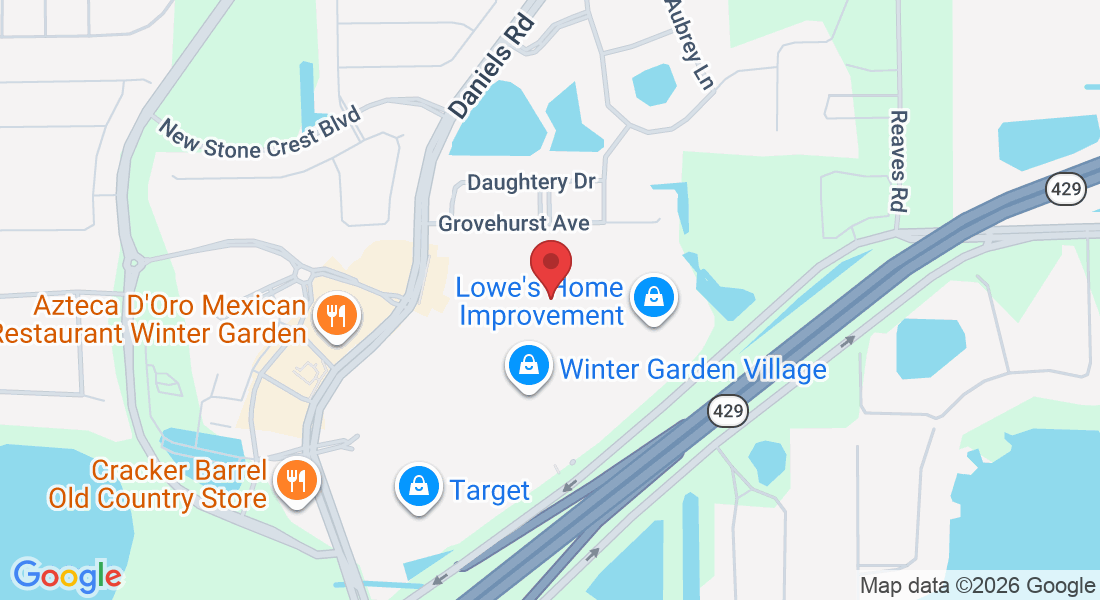
3065 Daniels Rd #1502, Winter Garden Florida 34787


Sandra Ruysam | Privacy Policy
Read Our Latest Blogs
Lorem ipsum dolor sit amet, consectetur adipiscing elit.
The First-Time Buyer Mistake That Forces People to Sell Within 2 Years
The bank said you could afford it. Your budget said otherwise. That gap is where most first-time buyers get into trouble.
You got approved. The bank says you can borrow $450,000. That feels like a green light. So you start shopping at $450,000.
This is where things go wrong.
Not because you bought a bad house. Not because the market shifted. But because you built your entire homeownership plan around a number that was never meant to be your target. It was meant to be your ceiling.
And when your ceiling becomes your budget, everything gets tight. Fast.
This is the mistake that quietly pushes first-time buyers back into renting within a couple of years. Not a housing crash. Not bad luck. Just math that didn't leave room for real life.
Your Approval Amount Is Not Your Budget
Lenders approve you based on your income, your debt, and your credit score. What they don't factor in is how you actually live. They don't know about your student loans that technically don't show up yet. They don't know you like to travel twice a year. They don't know your car is one bad month away from needing replacement.
The approval number tells you what you canborrow. It doesn't tell you what you shouldborrow.
There's a big difference between qualifying for a payment and comfortably making that payment every month while still living your life. When you max out your approval, you leave yourself zero margin. And zero margin is where financial stress starts.
A smarter approach is to work backward from your actual monthly life. What do you spend now? What do you want to keep spending on? What payment amount lets you do that without holding your breath every time a bill comes in?
That number is your real budget. It's almost always lower than what the bank approved. And that's a good thing.
The takeaway: The bank tells you what you qualify for. Only you know what you can actually afford.
The Costs Nobody Warns You About
The mortgage payment is just the beginning. First-time buyers tend to focus on that one number and forget everything that comes with it.
Property taxes can add hundreds to your monthly cost. Homeowners insurance is required. If you're in a community with an HOA, that's another recurring bill that can increase over time. And none of that includes the things your home will inevitably need.
Maintenance is real and it's constant. Filters, lawn care, pest control, small repairs that add up. The general guideline is to set aside one to two percent of your home's value each year for upkeep. On a $400,000 home, that's $4,000 to $8,000 a year, money that needs to come from somewhere.
Then there's furnishing. That extra bedroom looked great during the walkthrough. But now it needs furniture. The bigger kitchen needs more than the three pans you brought from your apartment. These costs hit all at once right after the biggest purchase of your life.
None of this means you shouldn't buy. It means you should plan for the full picture, not just the mortgage line on your closing documents.
The takeaway: Your mortgage payment is one piece. The real cost of owning a home includes everything around it.
What "House Poor" Actually Feels Like
You've probably heard the term. But it's worth understanding what it really means in practice.
Being house poor means your housing costs eat up so much of your income that everything else feels squeezed. You can make the payment, technically. But there's nothing left for savings, nothing for unexpected expenses, nothing for the things that make life enjoyable.
Dinners out disappear. Vacations get pushed back. You start putting routine expenses on credit cards because there's no cushion. A single surprise, a medical bill, a car repair, a job change, turns into a genuine crisis because there's no buffer.
This isn't about worst-case scenarios. It's about the everyday reality of stretching too far. It builds slowly. And over time, the home that was supposed to be an investment starts feeling like a weight.
That's when people sell. Not because they want to, but because they have to. And selling within two years often means losing money after transaction costs, closing fees, and limited equity.
The takeaway: A home should add to your life, not take over your finances.
The Smarter Way to Buy Your First Home
None of this is meant to talk you out of buying. Homeownership is one of the best financial decisions you can make. But it's only a good decision when the math works for your real life, not just on a loan application.
Buy below your maximum. Budget for the costs beyond the mortgage. Make sure you still have breathing room for savings, for emergencies, and for living.
When you do that, homeownership becomes what it's supposed to be. Stable. Empowering. Something you can sustain and build on for years.
Ready to Buy the Right Way?
If you're starting to think about buying your first home and you want to go in with a clear plan, I'd love to help. I'm Sandra, and I walk first-time buyers through this process every day. Send me a message and we'll look at your situation together, no pressure, just clarity.
And if you want to get a head start, my Ultimate Guide to Buying and Selling covers everything you need to know before, during, and after the process. It's the kind of resource I wish every first-time buyer had before they started looking.
Portuguese Version
O banco disse que você podia pagar. Seu orçamento disse o contrário. Essa diferença é onde a maioria dos compradores de primeira viagem se mete em problemas.
Você foi aprovado. O banco diz que você pode financiar $450.000. Isso parece um sinal verde. Então você começa a procurar imóveis de $450.000.
É aqui que as coisas dão errado.
Não porque você comprou uma casa ruim. Não porque o mercado mudou. Mas porque você construiu todo o seu plano de compra em torno de um número que nunca deveria ser sua meta. Ele deveria ser seu teto.
E quando seu teto se torna seu orçamento, tudo fica apertado. Rápido.
Esse é o erro que silenciosamente empurra compradores de primeira viagem de volta para o aluguel em poucos anos. Não é uma crise imobiliária. Não é azar. É apenas uma conta que não deixou espaço para a vida real.
O Valor da Sua Aprovação Não É o Seu Orçamento
Os bancos aprovam você com base na sua renda, nas suas dívidas e no seu score de crédito. O que eles não consideram é como você realmente vive. Eles não sabem sobre seus empréstimos estudantis que tecnicamente ainda não aparecem. Eles não sabem que você gosta de viajar duas vezes por ano. Eles não sabem que seu carro está a um mês ruim de precisar ser trocado.
O valor da aprovação diz o que você podefinanciar. Não diz o que você deveriafinanciar.
Existe uma grande diferença entre se qualificar para uma parcela e pagar essa parcela confortavelmente todo mês enquanto ainda vive sua vida. Quando você usa o máximo da sua aprovação, você não deixa nenhuma margem. E margem zero é onde o estresse financeiro começa.
Uma abordagem mais inteligente é trabalhar de trás para frente, a partir da sua vida mensal real. Quanto você gasta hoje? No que você quer continuar gastando? Qual valor de parcela permite que você faça isso sem prender a respiração toda vez que uma conta chega?
Esse número é seu orçamento real. Quase sempre é menor do que o banco aprovou. E isso é uma coisa boa.
A lição: O banco diz para quanto você se qualifica. Só você sabe o que realmente pode pagar.
Os Custos Sobre os Quais Ninguém Avisa
A parcela do financiamento é apenas o começo. Compradores de primeira viagem tendem a focar nesse único número e esquecer de tudo que vem junto.
O IPTU pode adicionar centenas ao seu custo mensal. O seguro residencial é obrigatório. Se você mora em um condomínio com taxa, essa é mais uma conta recorrente que pode aumentar com o tempo. E nada disso inclui as coisas que sua casa inevitavelmente vai precisar.
Manutenção é real e constante. Filtros, jardinagem, controle de pragas, pequenos reparos que se acumulam. A orientação geral é reservar de um a dois por cento do valor do imóvel por ano para manutenção. Em uma casa de $400.000, isso é de $4.000 a $8.000 por ano, dinheiro que precisa vir de algum lugar.
Depois tem a mobília. Aquele quarto extra ficou ótimo durante a visita. Mas agora ele precisa de móveis. A cozinha maior precisa de mais do que as três panelas que você trouxe do seu apartamento. Esses custos aparecem todos de uma vez, logo depois da maior compra da sua vida.
Nada disso significa que você não deveria comprar. Significa que você deveria planejar para o quadro completo, não apenas para a linha do financiamento nos seus documentos de fechamento.
A lição: Sua parcela do financiamento é apenas uma parte. O custo real de ter uma casa inclui tudo ao redor dela.
O Que Significa Realmente Ser "Pobre de Casa Própria"
Você provavelmente já ouviu esse termo. Mas vale a pena entender o que ele realmente significa na prática.
Ser "pobre de casa própria" significa que seus custos com moradia consomem tanto da sua renda que todo o resto fica apertado. Você consegue pagar a parcela, tecnicamente. Mas não sobra nada para poupança, nada para despesas inesperadas, nada para as coisas que tornam a vida agradável.
Jantares fora desaparecem. Férias são adiadas. Você começa a colocar despesas rotineiras no cartão de crédito porque não tem reserva. Uma única surpresa, uma conta médica, um conserto no carro, uma mudança de emprego, se transforma em uma crise real porque não existe nenhum colchão financeiro.
Isso não é sobre cenários de pior caso. É sobre a realidade cotidiana de se esticar demais. Acontece aos poucos. E com o tempo, a casa que deveria ser um investimento começa a parecer um peso.
É aí que as pessoas vendem. Não porque querem, mas porque precisam. E vender em menos de dois anos geralmente significa perder dinheiro depois dos custos de transação, taxas de fechamento e patrimônio limitado.
A lição: Uma casa deveria somar à sua vida, não dominar suas finanças.
O Jeito Mais Inteligente de Comprar Seu Primeiro Imóvel
Nada disso tem a intenção de te convencer a não comprar. A casa própria é uma das melhores decisões financeiras que você pode tomar. Mas só é uma boa decisão quando a conta fecha para a sua vida real, não apenas em um formulário de financiamento.
Compre abaixo do seu máximo. Planeje para os custos além do financiamento. Tenha certeza de que ainda sobra espaço para poupança, para emergências e para viver.
Quando você faz isso, a casa própria se torna o que deveria ser. Estável. Empoderadora. Algo que você consegue sustentar e construir por anos.
Pronto Para Comprar do Jeito Certo?
Se você está começando a pensar em comprar seu primeiro imóvel e quer entrar com um plano claro, adoraria ajudar. Eu sou a Sandra, e acompanho compradores de primeira viagem nesse processo todos os dias. Me mande uma mensagem e vamos analisar a sua situação juntos, sem pressão, apenas clareza.
E se você quer sair na frente, meu Guia Completo de Compra e Vendacobre tudo que você precisa saber antes, durante e depois do processo. É o tipo de recurso que eu gostaria que todo comprador de primeira viagem tivesse antes de começar a procurar.